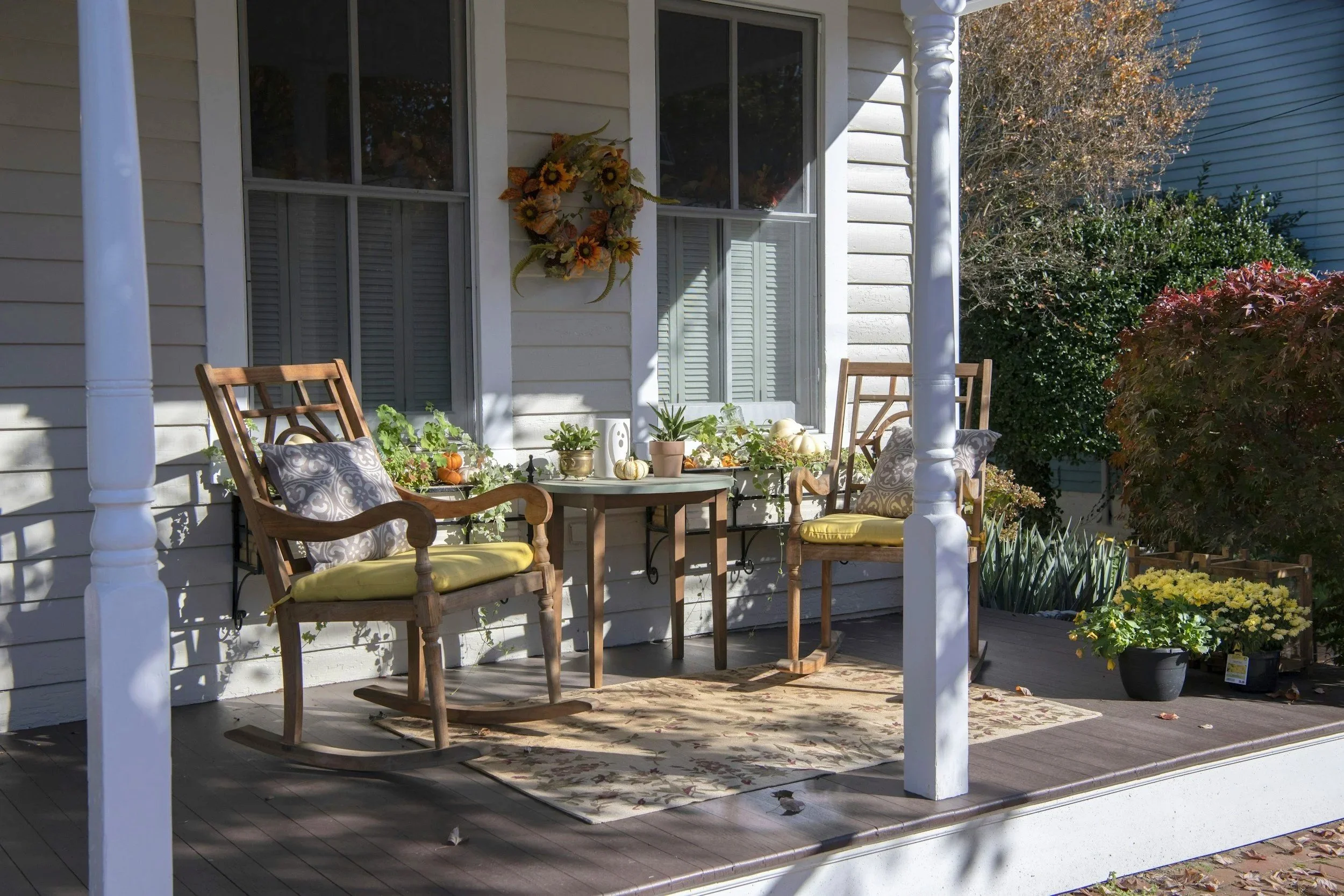
The Lost Art of Silence
In a world that fills every quiet moment with stimulation, children need opportunities to discover what happens when nothing is demanding their attention. Silence gives the mind room to wander, attention room to settle, and wonder room to grow.
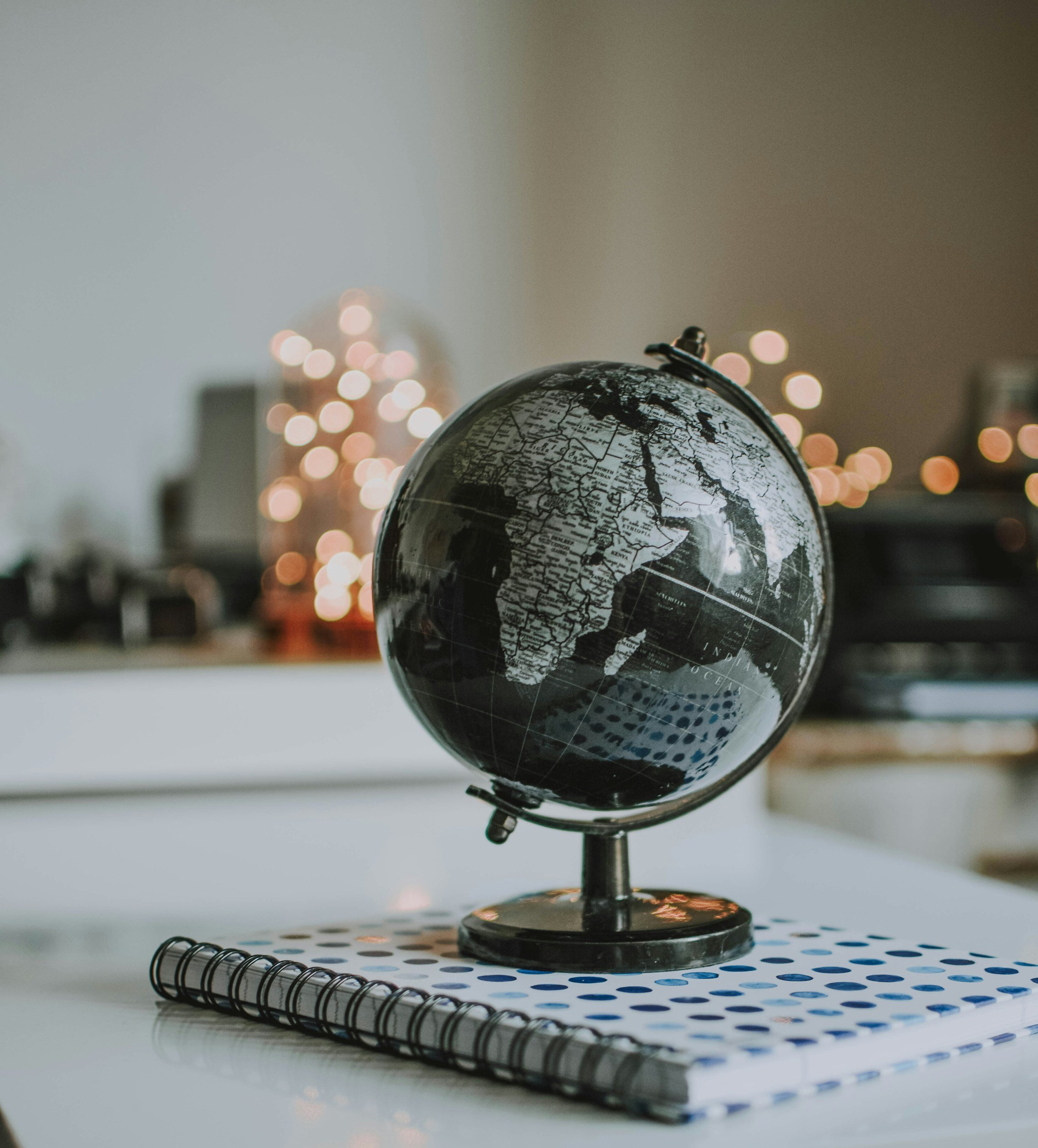
What Does It Mean to Educate a Child?
Schooling can organize lessons and measure progress. Education is something larger: the formation of a person. Here's why that distinction matters for homeschool families.
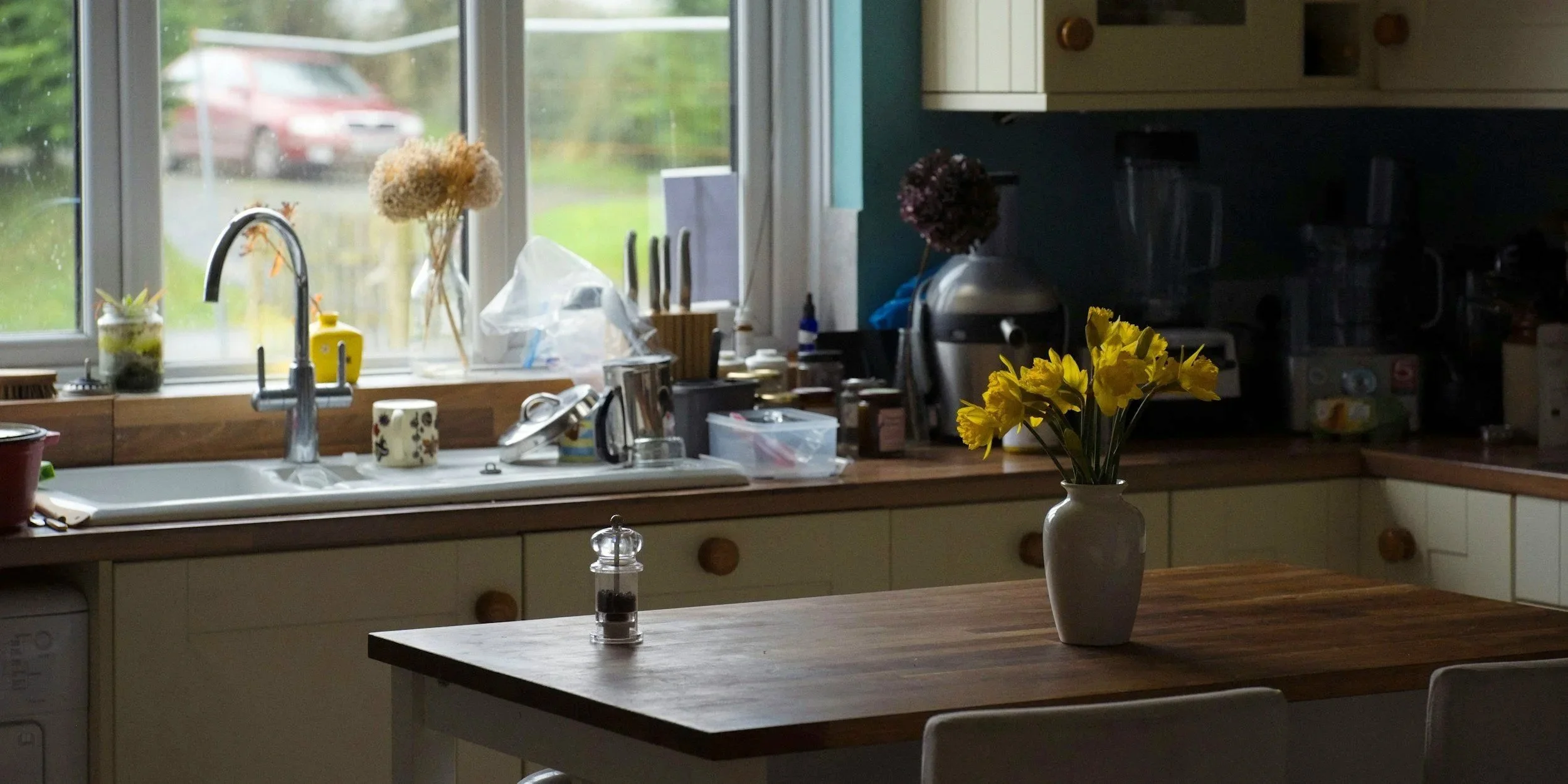
The Lost Art of Home
Before a child learns what a school is, he learns what a home is. The rhythms of family life—work, prayer, meals, conversation, stories, hospitality, and ordinary responsibilities—quietly teach children what it means to belong and how to live well with others.

The Lost Art of Conversation
Some of the most important education in a home happens without a lesson plan. Through questions, stories, disagreements, and ordinary conversation, children learn how to listen, think, reason, and participate in the intellectual life of their family.
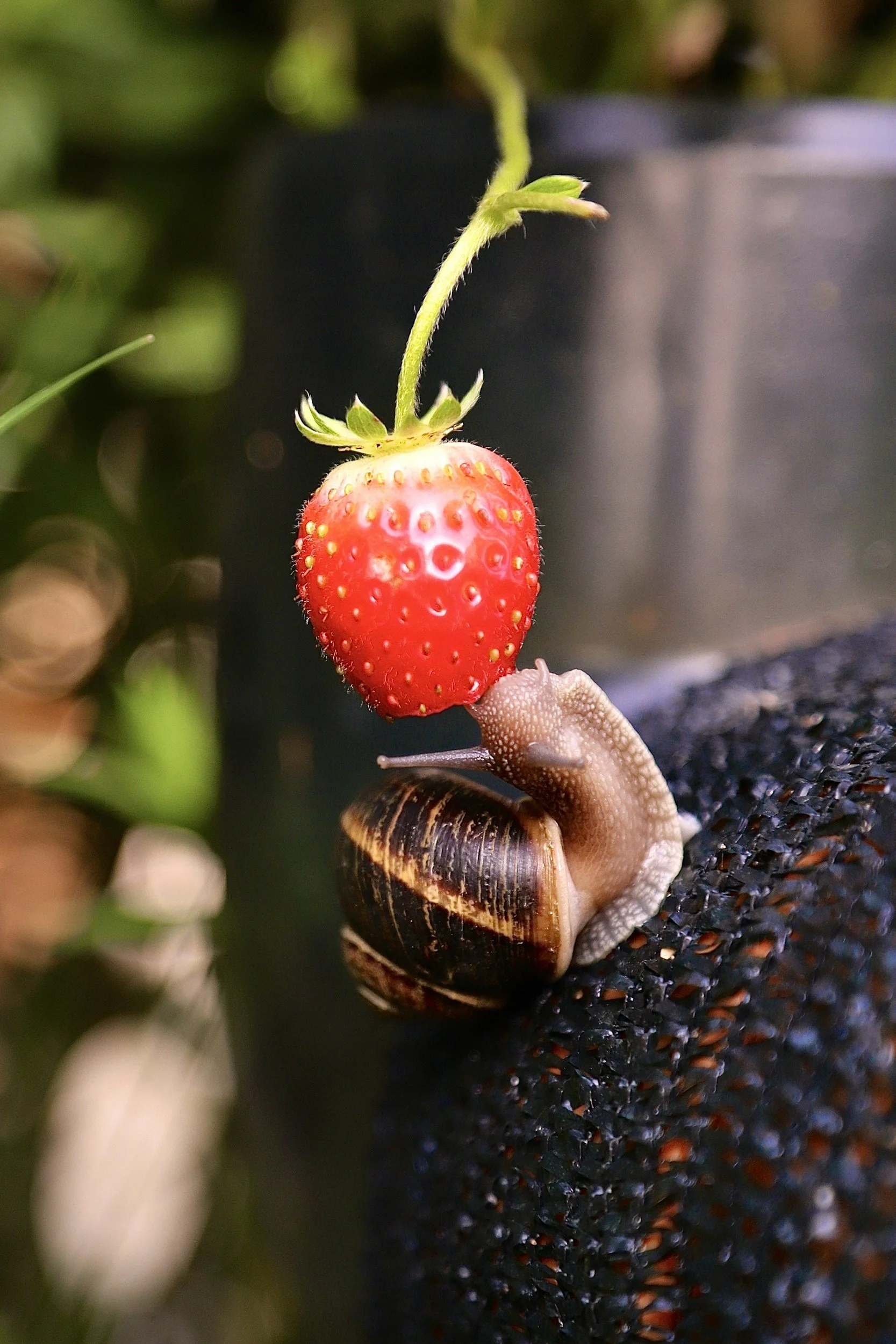
The Lost Art of Wonder
Children have a remarkable ability to stop and notice what adults have learned to overlook. Perhaps one of the gifts of education is not simply teaching children more about the world, but protecting their willingness to wonder at it.
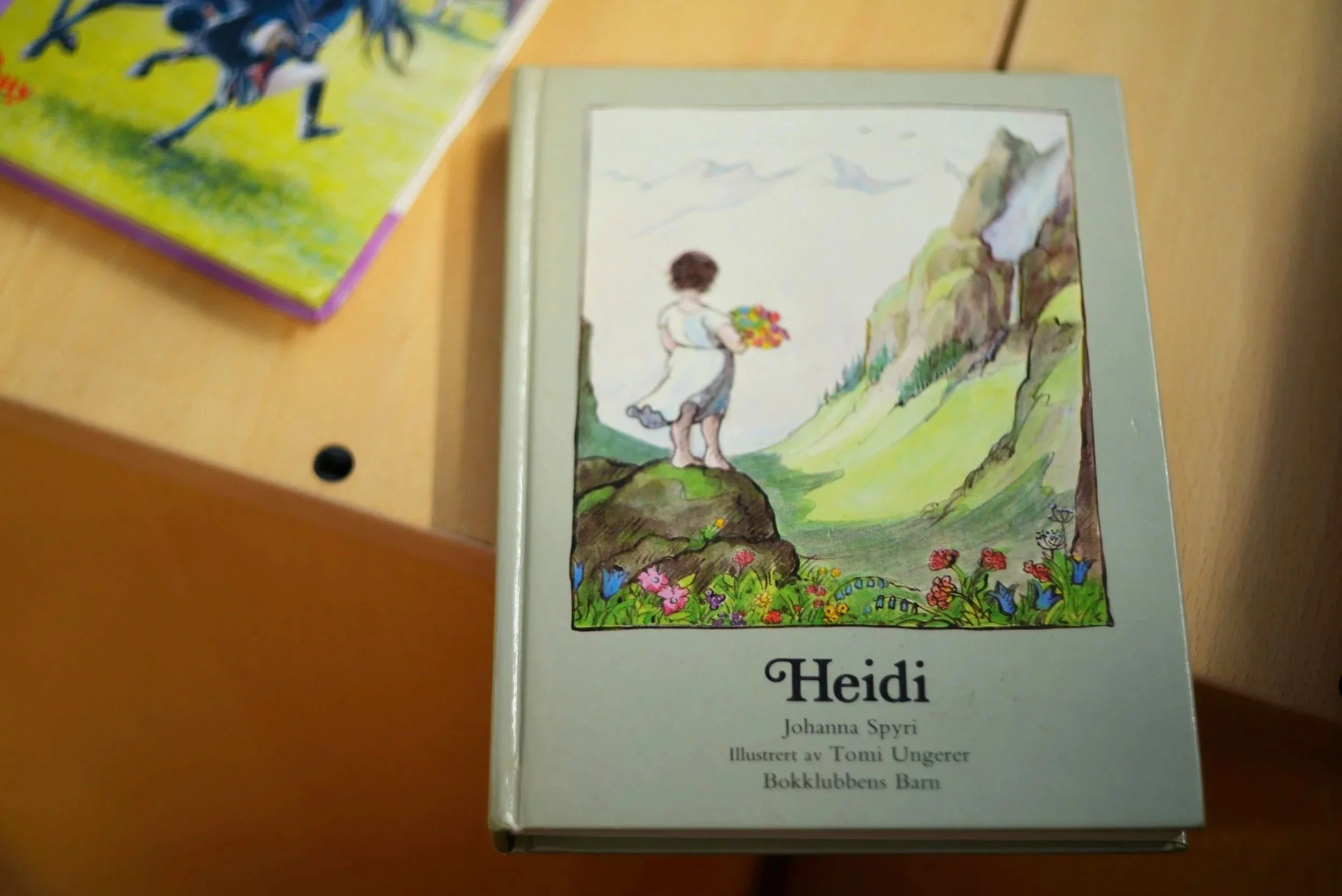
The Lost Art of Reading Aloud
Reading aloud was never merely preparation for independent reading. It is a way of giving children our attention, shaping their imaginations, building family culture, and sharing the beauty of a story together. Perhaps this old tradition is worth recovering.
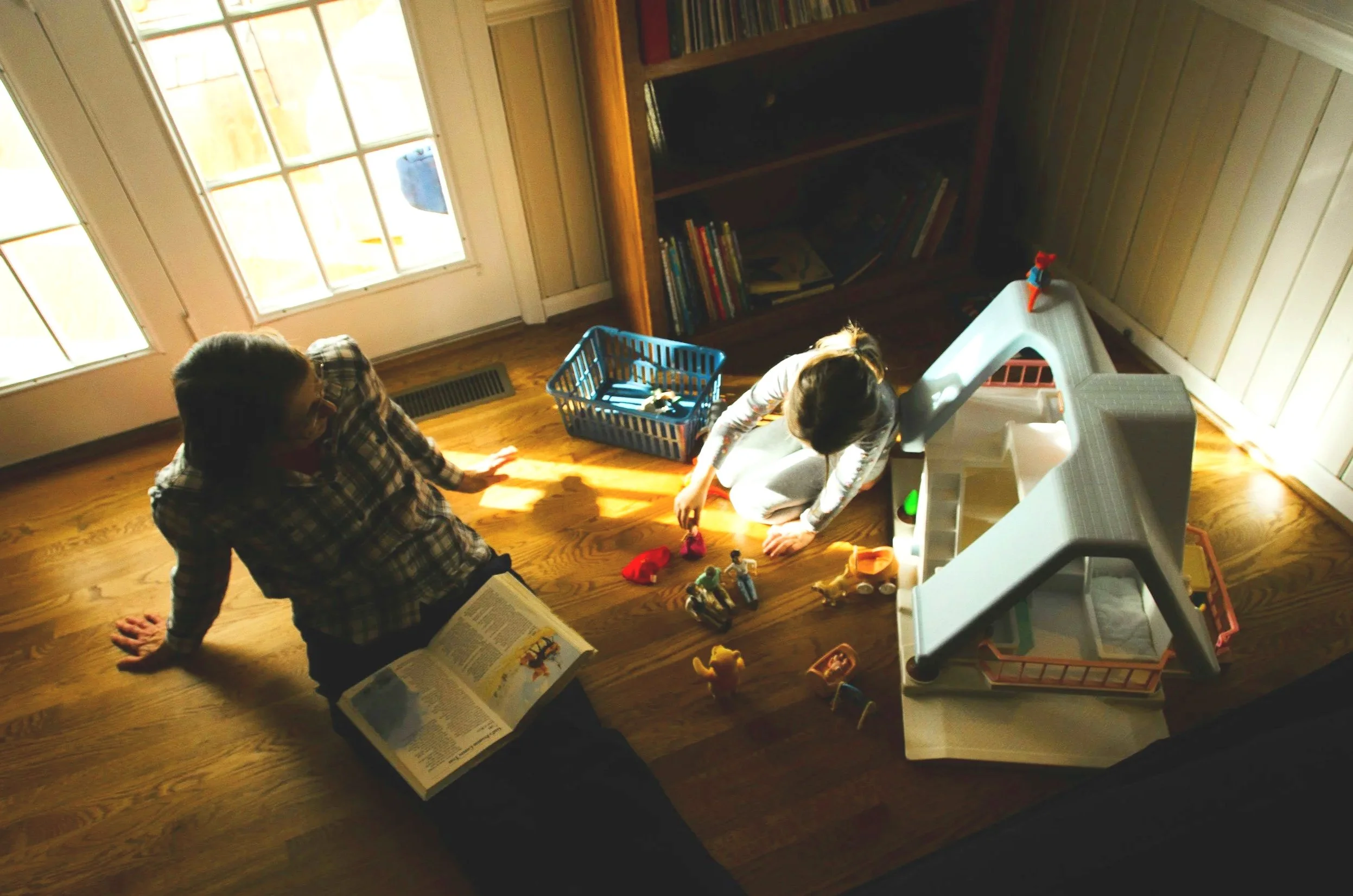
The Homeschool Day Doesn't Have to Look Like School
Homeschooling does not have to mean recreating school in your home. Education can be woven into the ordinary rhythms of family life—in books, conversations, work, prayer, play, and the countless small moments in which children are formed.